
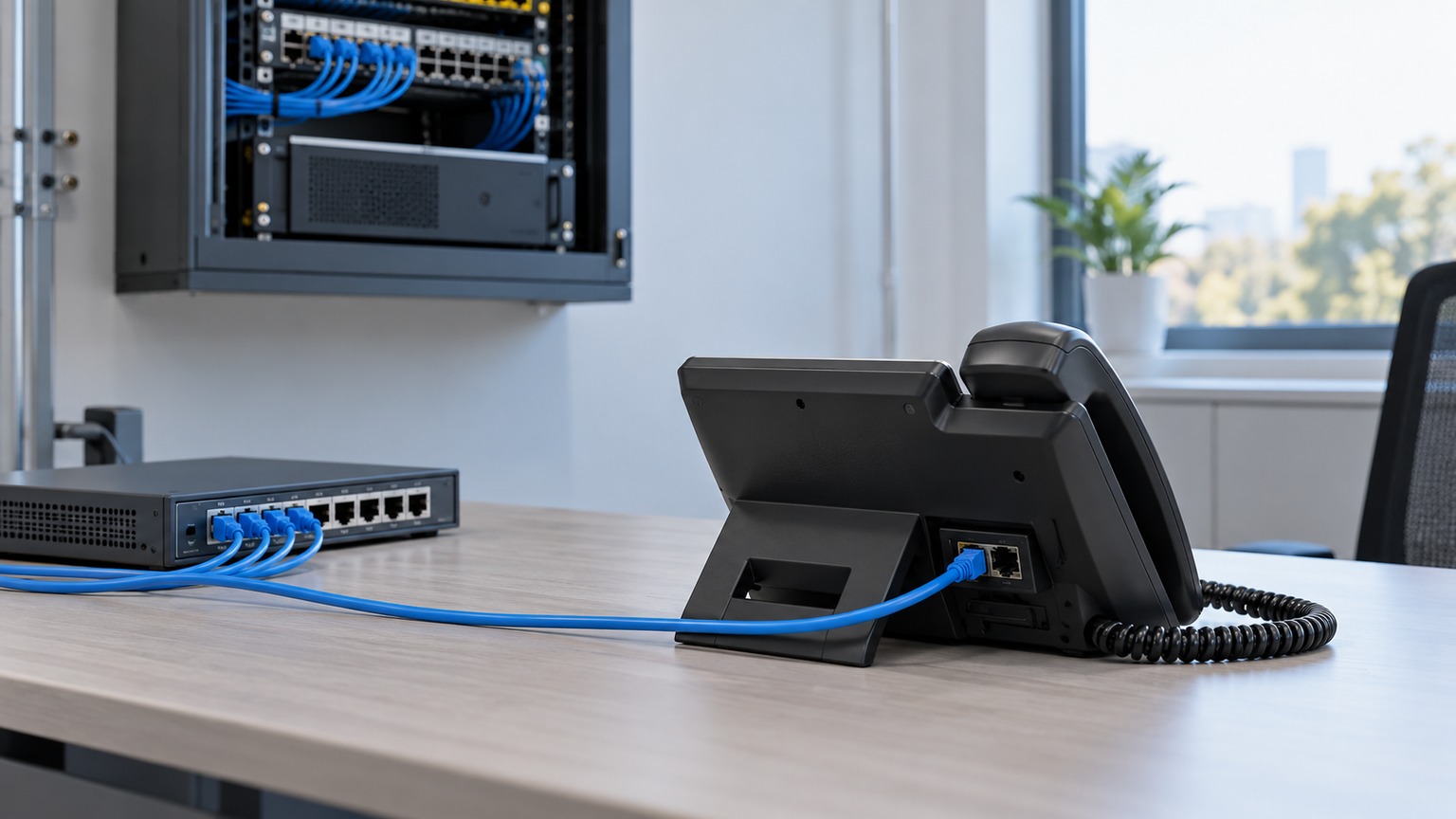
A PBX runs your business extensions and call handling. VoIP carries voice over an IP network. SIP is a protocol used to set up and end calls; a SIP trunk uses it to connect a compatible phone system to a voice provider. These terms describe different functions that can work together in one setup.
For example, a Keysborough office might receive a quote covering a PBX, VoIP phones and a SIP trunk. That hypothetical quote describes a system and its connection, rather than three competing choices.
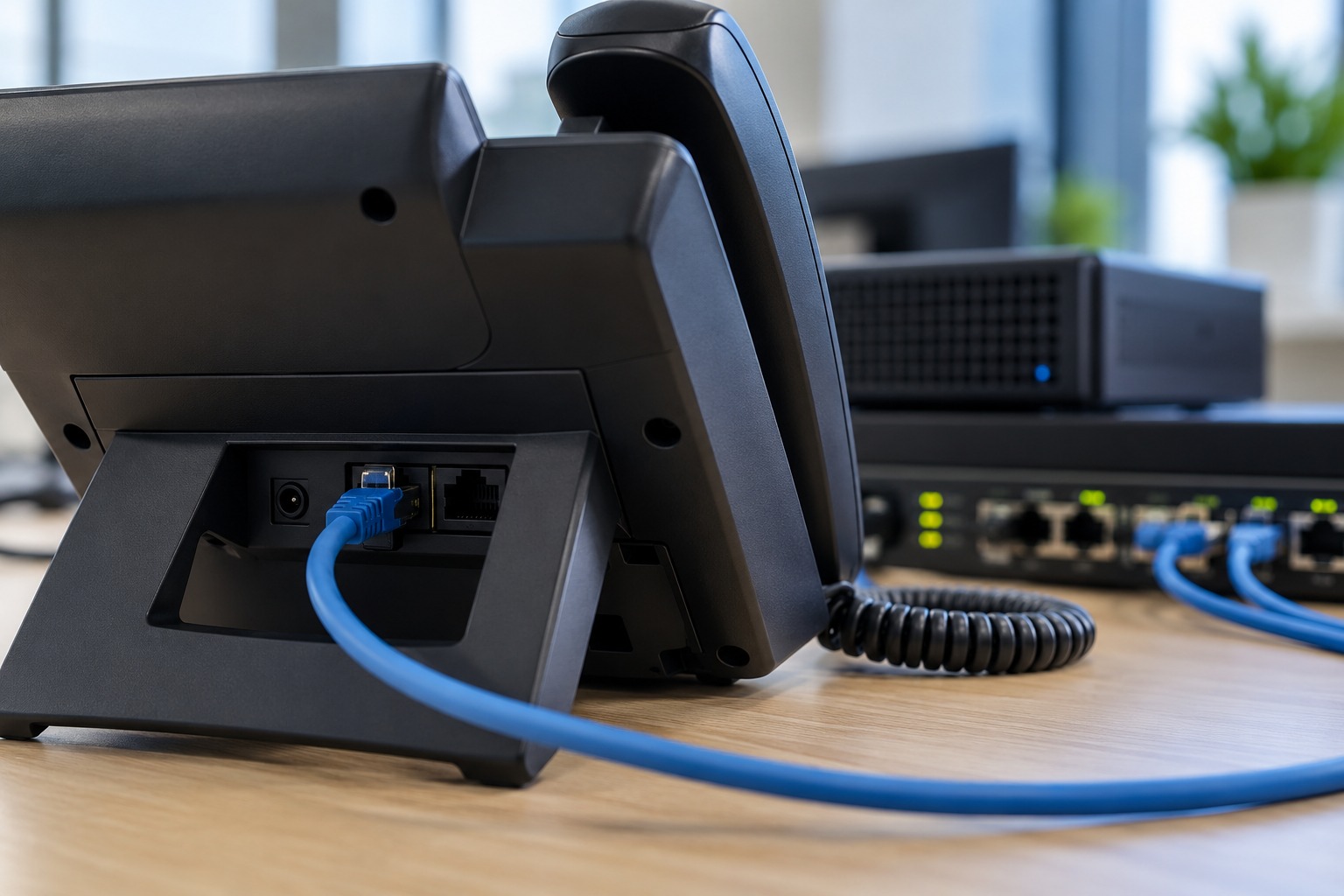
The distinction is between the phone system, the way voice travels and the connection to outside numbers. SIP is also used within phone systems; it is not another name for a trunk.
PBX stands for private branch exchange. It is the system that handles calls inside a business: extensions, transfers, hold, voicemail, ring groups and the menu a caller hears.
3CX’s documentation describes an IP PBX as a phone system that manages internal and external calls. It runs over the internet or a local network, and it handles call routing and voicemail.
The name says what the system does, not where it sits. Older PBX systems included a dedicated box in the comms cupboard. An IP PBX can run as software on a server in your building or in a data centre. The phrase PBX phone systems refers to that call-handling role, rather than a particular location.
VoIP stands for voice over internet protocol. Voice is converted into digital data and sent across an IP network. That network can include the office network and an internet connection, so VoIP is broader than a service for making outside calls.
VoIP describes how voice travels, rather than one product with a fixed set of features. Two systems can both use VoIP but offer different voicemail, transfer and call-routing functions. Those functions depend on the phone system and its configuration.
SIP stands for session initiation protocol. It is defined by RFC 3261, a standard published by the Internet Engineering Task Force in June 2002. That document describes SIP as a control protocol for creating, changing and ending sessions between participants. Internet telephone calls are one kind of session.
A SIP trunk is a service using that protocol to connect the phone system to a voice provider. 3CX describes it as a set of virtual phone lines for outside calls. A channel represents capacity for one call at a time; the trunk can have several channels. SIP itself is the call-control protocol, not the service or the audio it helps arrange.
How many channels a business needs is a separate sizing job. The guide to how many phone lines a small business needs works through it.
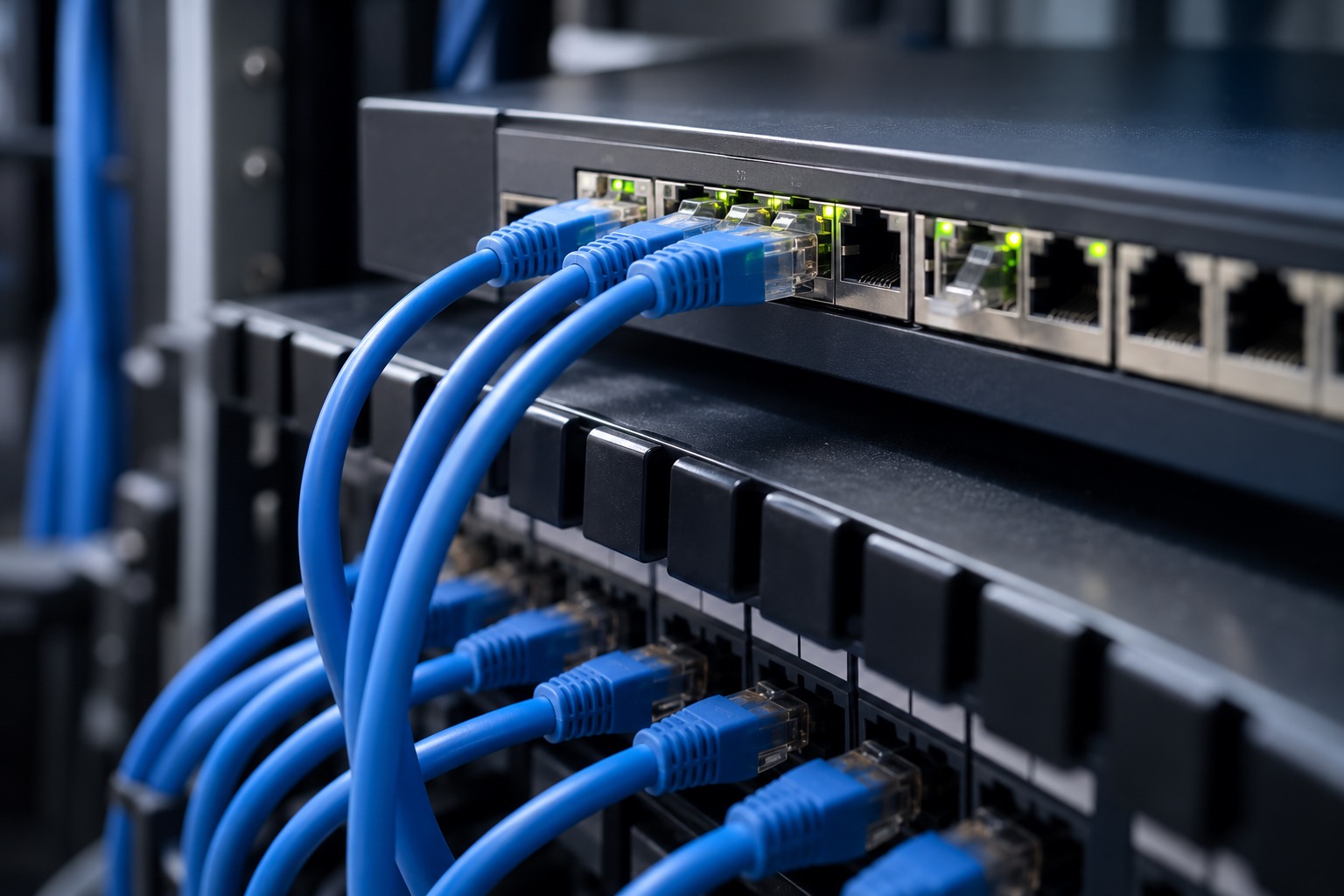
A simple way to read the setup is to follow the jobs each part performs. This is a functional description, rather than a diagram of the exact route taken by the audio.
A proposal that asks you to choose between VoIP and a PBX is comparing a method with a system. 3CX puts the division plainly. The IP PBX manages the calls, and SIP trunking supplies the connection to the outside world.
Internal calls help show the distinction. When two extensions connect within the same phone system, an outside SIP trunk is not needed for that connection. It can still use VoIP and SIP within the system. A call sent to an outside mobile number is a different case.

Hosted is not a fourth item on the same list. It describes where the PBX software runs, not what it does.
A hosted system runs on a server your provider looks after in a data centre, and you reach it over the internet. An on-premise system runs on a server in your own building. Either way the calls can be VoIP, and outside calls can run over a SIP trunk. Some platforms are sold both ways, so the software does not settle where it runs.
Server management, connectivity and the proposed costs matter to that choice. The guide to a hosted or on-premise phone system setup explains the buying comparison in detail.

These three questions identify the parts included in a proposal. The answers depend on the contract and the configuration in front of you, not on the terms.
Write each answer on the quote, beside the line it belongs to.
Compare proposals that cover the same parts. If one includes the trunk and another quotes only the phone system, ask for the missing service and its charges before comparing totals. The internet provider and the voice provider need not be the same supplier. Sixfam works across business telephone and network solutions and can go through a proposal with you. Call 03 9200 2800.
No. VoIP describes voice carried over an IP network. A SIP trunk supplies an outside connection for a compatible phone system. Some hosted packages include that connection, so using VoIP does not mean buying a separate trunk yourself.
VoIP alone does not supply business extensions, transfers or voicemail. Those need phone-system functions, which can be provided by an IP PBX or included in a hosted service. You do not necessarily need a separate PBX box in your office.
A trunk is a shared connection between telephone systems. A SIP trunk provides that connection over an IP network, with capacity measured in channels. Each outside call uses a channel; the number of channels is separate from the number of extensions.
Designed & Developed by CJ Digital